
How to Choose world cup 2026 stream +30,000 chans 4K
Introduction: The Common Mistake That Ruins Your World Cup 2026 Stream
Picture this: it’s the opening match of the world cup 2026. The players walk out, the anthem plays, and then… the dreaded spinning wheel of buffering appears. For many, this nightmare scenario starts with a single, critical error: choosing the wrong hardware. It’s not just about the service; it’s about the device you run it on. A poor device choice can bottleneck even the best internet connection and IPTV subscription, turning the biggest sporting event on Earth into a pixelated, frustrating mess. This article isn’t about selling you a service. It’s a practical, step-by-step guide to making sure your entire viewing setup—from the device in your living room to your network—is perfectly tuned for a flawless tournament experience.
Table of Contents
What is IPTV? Your Gateway to 30,000 Channels and the 2026 FIFA World Cup
First, let’s demystify IPTV. Internet Protocol Television (IPTV) delivers television content over your internet connection instead of traditional cable, satellite, or aerial signals. Think of it like Netflix, but for live TV. This technology opens a world of global channels, often numbering in the tens of thousands, including sports networks that will be broadcasting from the 2026 FIFA World Cup venues. The flexibility is key: watch on your TV, phone, tablet, or computer. However, this power comes with complexity. Your experience hinges on the synergy between your provider, your internet, and—crucially—the streaming device you choose to be the engine of it all.
Key Criteria for Choosing Your Perfect World Cup 2026 IPTV Provider
While your device is the player, the IPTV service is the team. You need a reliable squad. Focus on these pillars when evaluating providers.
Streaming Quality: From HD to True 4K for the Big Game
For the World Cup, “good enough” video isn’t good enough. You want to see every blade of grass. Look for providers that explicitly offer Full HD (1080p) and, ideally, stable 4K/UHD streams for major events. Remember, a provider can claim 4K, but if their servers can’t handle the load during a final, it’s meaningless. The true test is during peak sporting events.
The Essential Checklist: Content, Channels, and Reliability
Beyond quality, what are you watching? Your provider must reliably carry the specific channels or channel groups that have the official broadcast rights in your region for the tournament. A vast channel list is useless if it buffers constantly. Seek out user reviews that specifically mention sports streaming stability, not just channel count.
Understanding Pricing Models and Trial Periods
Be wary of extreme prices. Rock-bottom costs often signal poor infrastructure, while exorbitant fees don’t guarantee quality. The most important feature for a new user is a trial period—usually 24 to 72 hours. Use this to test the service on your primary device during a live sports event. This is your most valuable research tool.
Device Compatibility: Making Sure Your Setup is Ready for 2026
This is the core of your setup. The right device decodes streams efficiently, runs apps smoothly, and connects reliably to your network.
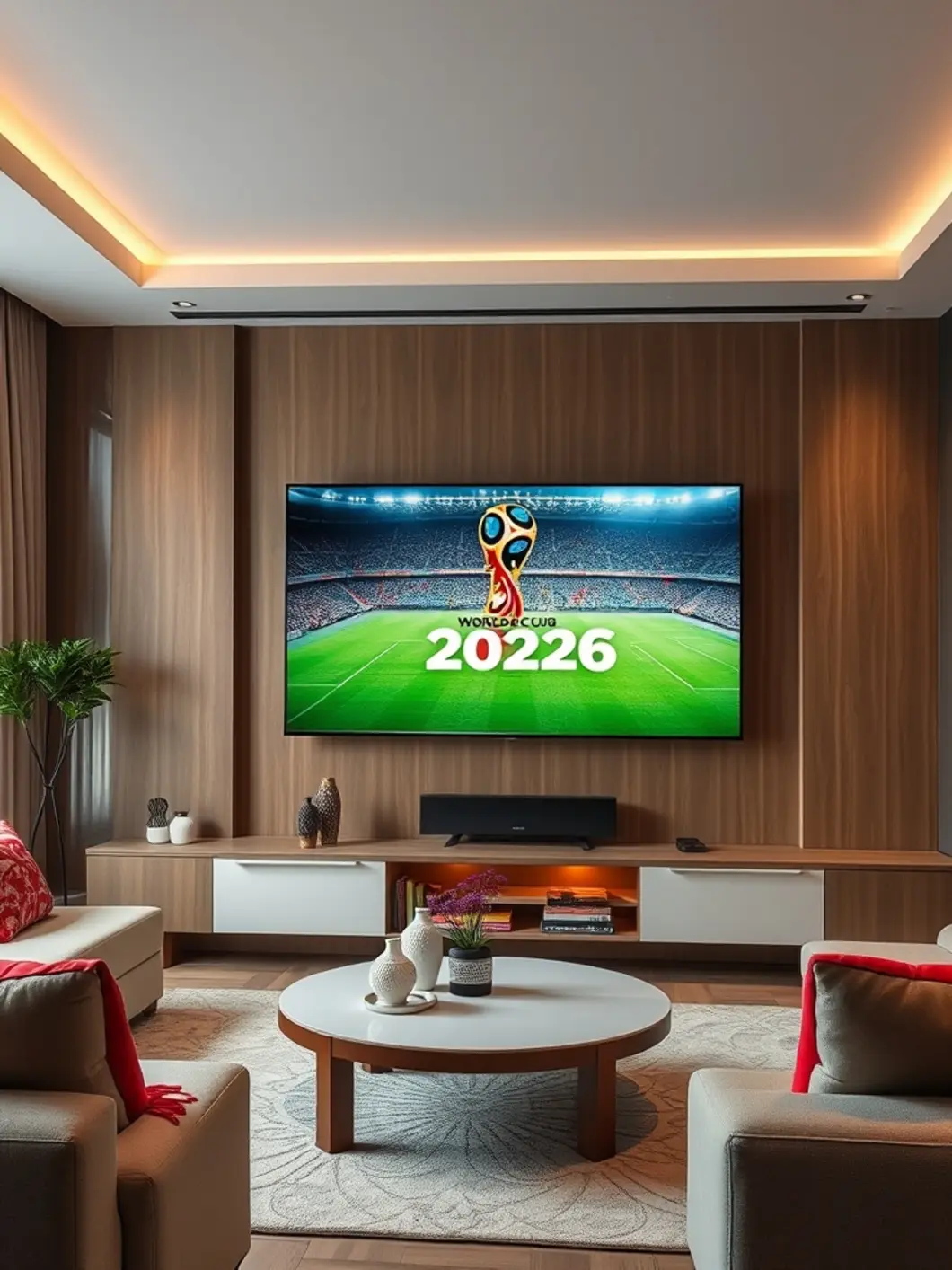
- Popular Streaming Devices (Fire Stick, Android TV Box): Devices like the Amazon Fire Stick 4K Max or a certified Android TV box (e.g., NVIDIA Shield) are excellent choices. They are designed for streaming, support IPTV apps from app stores or sideloading, and have Wi-Fi 6/Ethernet adapters for stable connections. For a Fire Stick, installation typically involves enabling “Apps from Unknown Sources” in settings, downloading the Downloader app, and entering the URL for your IPTV app’s APK file.
- Smart TVs and Built-in Apps: While convenient, built-in Smart TV apps can be problematic. TV manufacturers often don’t prioritize updating these apps, which can lead to crashes or buffering during major events. If using your Smart TV, consider using an external device plugged into an HDMI port for a more reliable, updatable experience.
- Mobile and PC Viewing Options: For secondary screens, smartphones, tablets, and PCs work well. Use a dedicated IPTV player app (like IPTV Smarters, VLC Media Player) and ensure your home Wi-Fi network is robust enough to handle multiple streams if you’re watching in different rooms.
Internet Speed & Stability: The Foundation for Smooth 4K Streaming
A racing car is useless on a dirt road. Your internet is the road for your IPTV data.
Recommended Bandwidth for Different World Cup Broadcast Qualities
For a single stream, aim for these minimums: 12 Mbps for solid HD (1080p), 20 Mbps for UHD, and a reliable 50 Mbps for stable 4K HDR streaming. This is for the stream alone. If others in your household are gaming, video calling, or downloading, you need more overhead. A 100 Mbps connection is a safe target for a 4K household during the Cup.
How to Test and Optimize Your Home Network
Use speed test sites (like speedtest.net) on your streaming device itself, not just your phone. If speeds are low, connect your device via Ethernet cable for a rock-solid link. If you must use Wi-Fi, ensure your router is in the same room, or invest in a Wi-Fi mesh system to eliminate dead zones. Reduce congestion by limiting other high-bandwidth activities during match time.

Beyond the Channels: Evaluating Service Stability and Support
A good service does more than just broadcast a signal.
The Importance of EPG, Updates, and Server Reliability
An Electronic Program Guide (EPG) is your interactive TV schedule. For sports, it’s invaluable to see what’s coming up, set reminders, and easily jump between matches. Also, check if the provider’s app and channel lists are updated regularly. A service that goes dark for days after a major software update is a red flag.
Customer Support: What to Look For Before You Subscribe
Test the support during your trial. Send a basic question via their contact method (Telegram, email, ticket system). See how quickly and helpfully they respond. A provider with no accessible support will leave you stranded if something fails during a crucial knockout game.
Critical Mistakes to Avoid When Choosing an IPTV Service
Learn from others’ errors to protect your own viewing experience.
- Overlooking Legal and Content Source Concerns: Understand the landscape. While IPTV technology is legal, the copyright status of some content streams may be unclear. Research your provider and prioritize those with transparent sourcing.
- Ignoring Device Limits and Household Usage: A subscription might allow one, two, or five simultaneous connections. Know your limit. If your plan is for one connection, you cannot watch on the living room TV and your phone at the same time without causing issues.
- Falling for “Too Good to Be True” Offers: “Lifetime subscriptions for $50” are almost always scams. They rely on taking money before the service inevitably collapses. Stick to reputable monthly, quarterly, or annual plans from providers with established track records.
Conclusion: Your Action Plan for a Seamless 2026 FIFA World Cup Experience
Your path to a perfect world cup 2026 is clear. First, audit your hardware: choose a capable, dedicated streaming device. Second, test your network and upgrade if needed to handle 4K. Third, use trial periods from several IPTV providers to find one with rock-solid stability during live sports, covering all the necessary feeds from the 2026 FIFA World Cup venues. Finally, avoid the common pitfalls of unrealistic offers and unclear terms. By focusing on the synergy between device, network, and service, you’re not just buying a subscription—you’re engineering a flawless viewing experience. For more detailed guides on setting up specific devices or optimizing your home network, explore our other practical tutorials.
FAQs: World Cup 2026 Streaming with IPTV
- Will IPTV services have access to all official 2026 FIFA World Cup venues broadcasts?
Reputable IPTV services typically aggregate channels from around the world, so they will likely carry the broadcasts from many official rightsholders (like Fox, Telemundo, BBC, etc.). However, access depends on the specific channels in your subscription package. Always verify the channel list during a trial. - What internet speed do I realistically need for a stable 4K stream?
While 25 Mbps is often cited as a minimum, we recommend a consistent 50 Mbps download speed for a single 4K HDR stream to account for network fluctuations and household background traffic. Always use a wired Ethernet connection for the most stable 4K experience. - Can I use one subscription on multiple devices at the same time?
This depends entirely on your provider’s plan. Most offer packages with 1, 2, 3, or more simultaneous connections. You must check this before subscribing. Exceeding your connection limit will cause buffering or disconnections on all devices. - How important is an Electronic Program Guide (EPG) for watching sports?
It’s very useful. An EPG lets you easily browse match schedules, see which channel is showing which game, and set reminders. For a tournament with multiple concurrent matches, a well-populated EPG is a major quality-of-life feature. - Are free trials a reliable way to test an IPTV service before the World Cup?
Yes, they are the single best tool for evaluation. Use the trial during a live sporting event to test stream quality, channel reliability, and EPG accuracy. It gives you real-world data far more valuable than any advertisement.
Some links in this article may be affiliate links. These allow us to receive a small commission if you purchase through them, at no extra cost to you.
